
Lateral Tenodesis
Mr Deepu Sethi is an expert orthopaedic knee surgeon specialising in the treatment of ACL tears, in London. He uses cutting-edge techniques to for ACL repair or ACL reconstruction surgery, to restore stability, allowing faster recovery and return to sport. For patients who are at high risk of re-injury, a lateral tenodesis procedure can reduce the risk of re-injury. Mr Sethi is one of the highest volume ACL surgeons in the UK.
What is a lateral tenodesis?
Unfortunately, even after successful surgery and rehabilitation, some patients are at high risk of re-injury and tearing their ACL graft. A lateral tenodesis is an additional surgical procedure, often performed at the same time as an ACL reconstruction and has been shown to reduce the risk of future re-injury.
Who is at high risk of re-injury and tearing their ACL graft?
We know that certain patient groups are at a higher risk of re-injury than others. These include very young patients, including children and teenagers. Females, patients with hypermobility and those participating in a high level of pivoting sports on a regular basis are also at increased risk. Finally some patients may have a genetic / anatomic variation which increases their risk of re-injury.
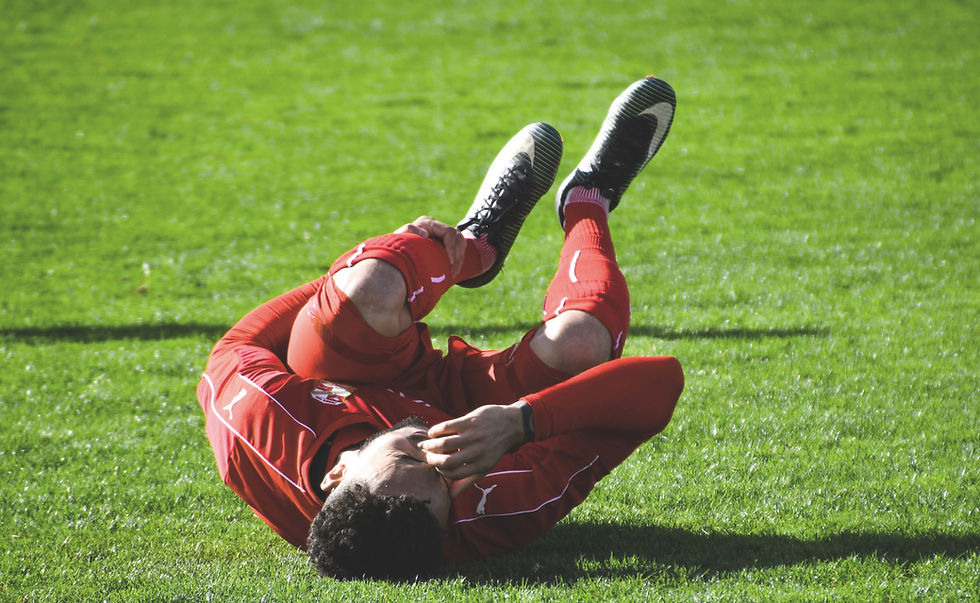

Lateral tenodesis
What does a lateral tenodesis involve?
A lateral tenodesis is often performed at the same time as an ACL reconstruction operation. An additional incision is made on the outside of the knee (lateral side) and a slip of tissue (iliotibial band) is taken and passed under the lateral collateral ligament. It is then secured to the thigh bone (femur) with an anchor.
How does a lateral tenodesis reduce the risk of re-injury?
A lateral tenodesis helps reduce rotation of the knee when pivoting and therefore can take up some of the load on the ACL, thus reducing the risk of injury to the ACL graft.
Should I have a lateral tenodesis?
Mr Sethi would be able to assess your potential risk of future re-injury if you were to have an ACL reconstruction. Depending on your individual risk, he would be able to advise whether a lateral tenodesis would be advisable. The majority of patients do not require a lateral tenodesis.
What are the disadvantages of having a lateral tenodesis?
There is an additional incision made which has the potential to be the source of pain or infection. A lateral tenodesis can slow down the initial recovery from surgery in the first 4-6 weeks. There have been concerns that performing a lateral tenodesis may increased load in the lateral compartment of the knee, to date studies have not demonstrated that this is a significant problem.
